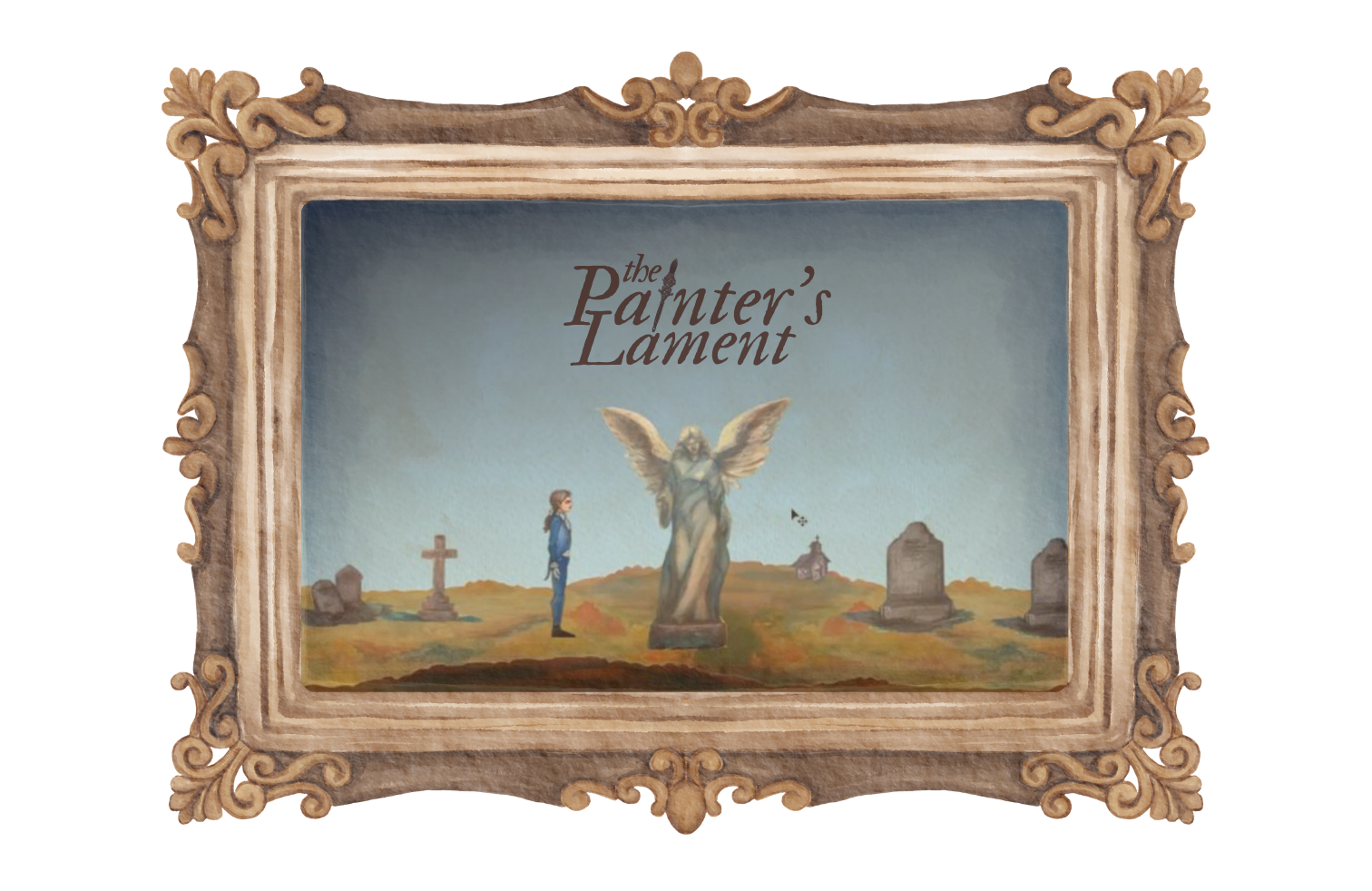
The Painter's Lament
Game UI Design


Download Presentation

Introduction

👩‍💻Role

UX & UI Designer, Visual Designer

🤝Team

Side Tracked Studios

📅Duration

August, 2024 – December, 2024

The Painter's Lament Wireframe

Overview

🖌️Game Background

The Painter’s Lament is a narrative-driven game blending Victorian Gothic aesthetics with innovative gameplay. Players embody a tormented artist navigating dual realities: a grayscale 3D world representing harsh reality and a vibrant, hand-painted 2D world symbolizing emotional depth. Using a paintbrush as both tool and weapon, players solve puzzles, battle manifestations of trauma, and uncover the protagonist’s fragmented memories. This unique fusion of visual storytelling and exploration invites reflection on healing and resilience, delivering a deeply immersive experience.

⚠️Problem Statement

The game combines Victorian Gothic aesthetics and watercolor art with intricate gameplay that includes exploration, puzzle-solving, and combat. The challenge lies in creating a user interface that complements the unique art style while remaining functional, intuitive, and accessible. The UI must support player immersion, provide seamless navigation, and cater to the diverse needs of players with varying levels of ability. Achieving a balance between the game’s artistic vision and effective user interaction is key to ensuring a smooth and enjoyable gameplay experience.

Objectives

🎯 Intuitive Navigation

Design a user interface that allows players to easily navigate through menus, settings, and gameplay without distractions, ensuring the experience is smooth and accessible.

🎯 Artistic Integration

Align the UI design with the game’s Victorian Gothic and watercolor art styles, ensuring that visual elements support the tone and atmosphere without overshadowing the gameplay.

🎯 Accessibility

Incorporate accessibility features such as customizable text sizes, color-blind modes, and clear, legible fonts, ensuring the game is playable and enjoyable for a wide range of players.

Objectives Image

Agenda

🔍Research & Analysis

🖼️Wireframe Development

🖌️Visual Identity

🎨Logo Design

🖥️Presentation Design

🏁Conclusion

Research & Analysis

⚔️Competitor Analysis

➮ Studied games with similar themes and mechanics to identify strengths, weaknesses, and opportunities for innovation in design.

👥Target Audience

➮ Conducted secondary research on player preferences, focusing on usability, customization, and aesthetics to align design with user expectations.

🌍Accessibility & Inclusivity

➮ Reviewed accessibility guidelines to ensure the game accommodates diverse player needs, including visual, auditory, and cognitive accessibility features.

Research Image

Key Insights

🎭Narrative-Driven Design

➮ Competitor analysis highlighted the need for easy access to key gameplay features, influencing the design of the main menu and pause screen to support seamless interaction with the game’s emotional story.

🌌Visual Contrast & Immersive Atmosphere

➮ Research into visual styles led to a dual-world aesthetic (black-and-white transitioning to vibrant colors), which was reflected in the main menu and pause screen designs.

⚙️Customization & Accessibility

➮ Insights into accessibility revealed the need for adjustable settings (brightness, key remapping, font size, colorblind modes), incorporated into the settings screen design.

🧭Intuitive Navigation

➮ Minimalistic UI elements inspired by games like Hollow Knight influenced the design of an easy-to-navigate interface for smooth gameplay flow.

Wireframe Development

🖼️Low Fidelity Wireframes

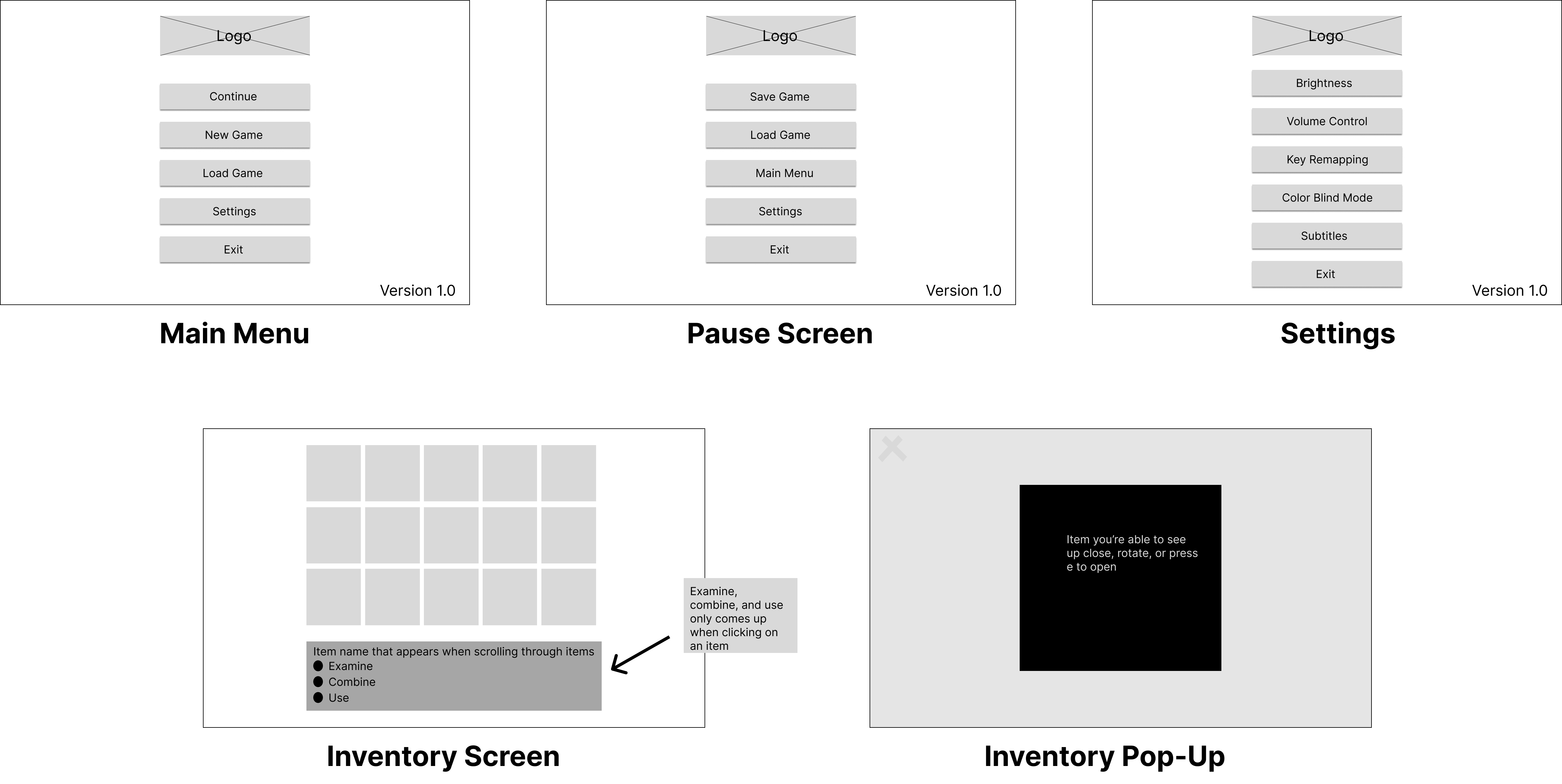
Created in Figma, these wireframes laid the foundation for a functional, accessible, and immersive user experience, focusing on seamless interaction with key gameplay features. The designs aimed to enhance the player's connection to the emotional narrative while ensuring intuitive navigation and accessibility.

Main Menu Screen

➮ Designed for intuitive navigation while maintaining narrative immersion (later shown in high-fidelity version).

➮ Includes Continue, New Game, Load Game, Settings, and Exit options.

Pause Screen

➮ Provides quick access to essential functions without disrupting gameplay flow.

➮ Features Save Game, Load Game, Main Menu, Settings, and Exit options.

Settings Screen

➮ Prioritizes accessibility and customization for diverse player needs.

➮ Options include Brightness, Volume Control, Key Remapping, Color Blind Mode, Subtitles, and Exit.

Inventory Screen

➮ Organized grid layout designed for efficient item management.

Inventory Pop-Up Screen

➮ Allows interaction with selected items through Examine, Combine, Use, and Exit options.

Wireframe Design

Wireframe Development

🖼️High Fidelity Wireframes

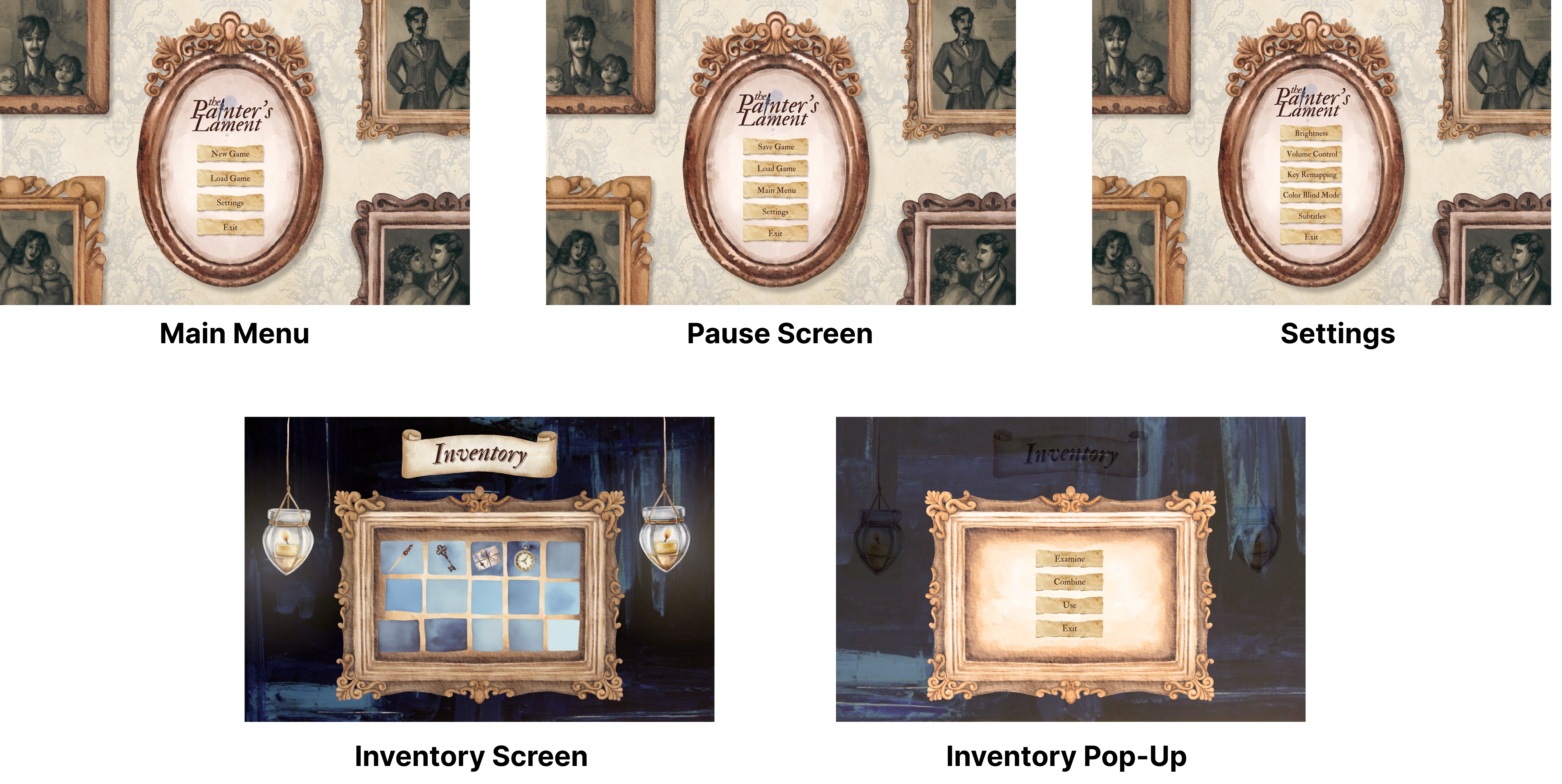
Created initially with experimental watercolor on notebook paper, then in the Adobe Creative Cloud with hints of Canva, these wireframes merge traditional art with digital precision. The design seamlessly bridges the game’s 2D and 3D worlds, creating a visually immersive and cohesive player experience that reflects its emotional and narrative depth.

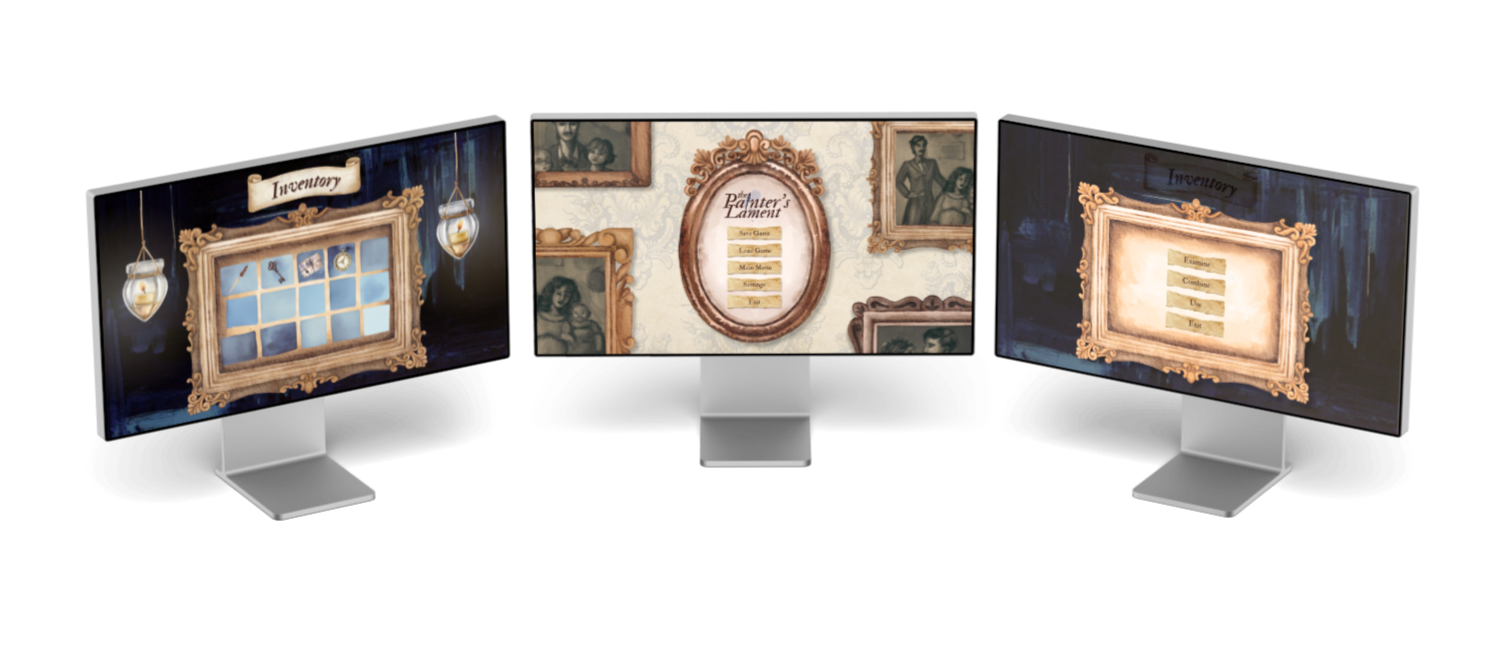
Main Menu, Pause, and Settings Screens

These screens maintain a unified design that uses watercolor frames surrounding the content, inspired by Victorian aesthetics. Black-and-white photos of the protagonist’s family are displayed within the frames, representing the grayscale world and adding emotional depth to the visual experience. The blue wallpaper ties the design together, creating a subtle connection between the cold, harsh world and the protagonist's inner turmoil. The buttons are designed to resemble letters, reminiscent of the collectible letters scattered throughout the game, tying into the narrative theme of fragmented memories.

Inventory Screen & Pop-Up

The inventory is housed within a large watercolor Victorian frame. The items are displayed in a square grid, each individual square shaded in blue tones. The items themselves follow the Victorian and watercolor-inspired style. The top of the screen features the word “inventory” in the same handwritten font used for the letters found throughout the game, further enhancing thematic consistency. Following the same design principles as the inventory screen, the pop-up features a new frame that appears in front of the main inventory screen, allowing players to interact with individual items.

Wireframe Design

Visual Identity

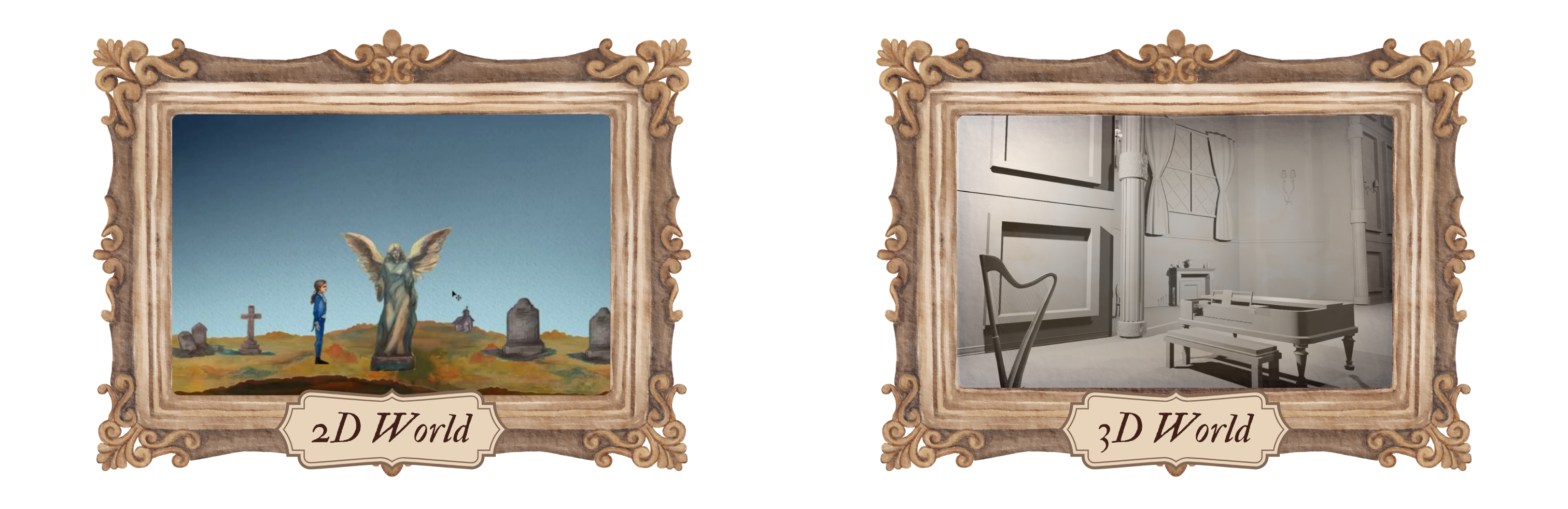
🌍2D World

➮ Prominent watercolor paper textures sharpened for depth

➮ Textures applied to environmental objects with a hand-painted style using watercolor brush effects.

➮ Background lighting varies to set the tone and theme of each area.

➮ Foregrounds placed in front of the character for a layered, immersive effect.

🌍3D World

➮ Late Victorian-era grayscale palette for historical accuracy.

➮ Sketchy, painterly textures with visible brush strokes.

➮ High-contrast design to emphasize the harshness of the real world.

🌈Color Scheme

➮ Dark, muted tones for the 3D world, symbolizing the stark reality.

➮ Vibrant watercolor accents for the 2D platforming areas, reflecting the emotional depth of the protagonist’s inner world.

➮ The dual palette visually reinforces the contrast between reality and imagination.

🌞Mood and Tone

➮ Melancholic yet hopeful atmosphere communicated through the interplay of visual styles.

➮ 2D world’s dreamlike vibrancy symbolizes inner resilience and healing.

➮ 3D world’s stark aesthetic grounds the story in the challenges of reality.

➮ Together, the styles create a timeless and emotionally immersive gaming experience.

🧑‍🎨Character Design

➮ Main character rendered in deep blues with visible, hand-painted brushwork.

➮ Lanky, paper-doll-like form with clasped joints to emphasize fragility and craftsmanship.

➮ Adorned in Victorian-era attire, complete with intricate detailing that reflects the period’s aesthetic, the clothing design emphasizes authenticity while remaining cohesive with the game’s art style.
Visual Identity Example

Presentation Design

🎨Cohesive Visual Identity

The slide deck aligned with the game’s Victorian Gothic aesthetic, using consistent color schemes and typography to reinforce the game’s themes.

🖼️Engaging Layout

The slides featured a clean, minimal design with a focus on key concepts, ensuring the presentation was visually appealing without overwhelming the audience.

⚖️Balance Between Text & Visuals

A balance of concise text and impactful visuals allowed for easy digestion of key points, with images supporting the narrative without overshadowing the content.

🌌Immersive Experience

The presentation’s layout and design choices created an immersive atmosphere, reflecting the game’s emotional tone through subtle textures and elegant transitions.

📢Clear Communication

The design ensured clarity by presenting key points in a digestible format, with minimal text and strong visuals that helped convey design decisions effectively.

Presentation Design Example

Conclusion

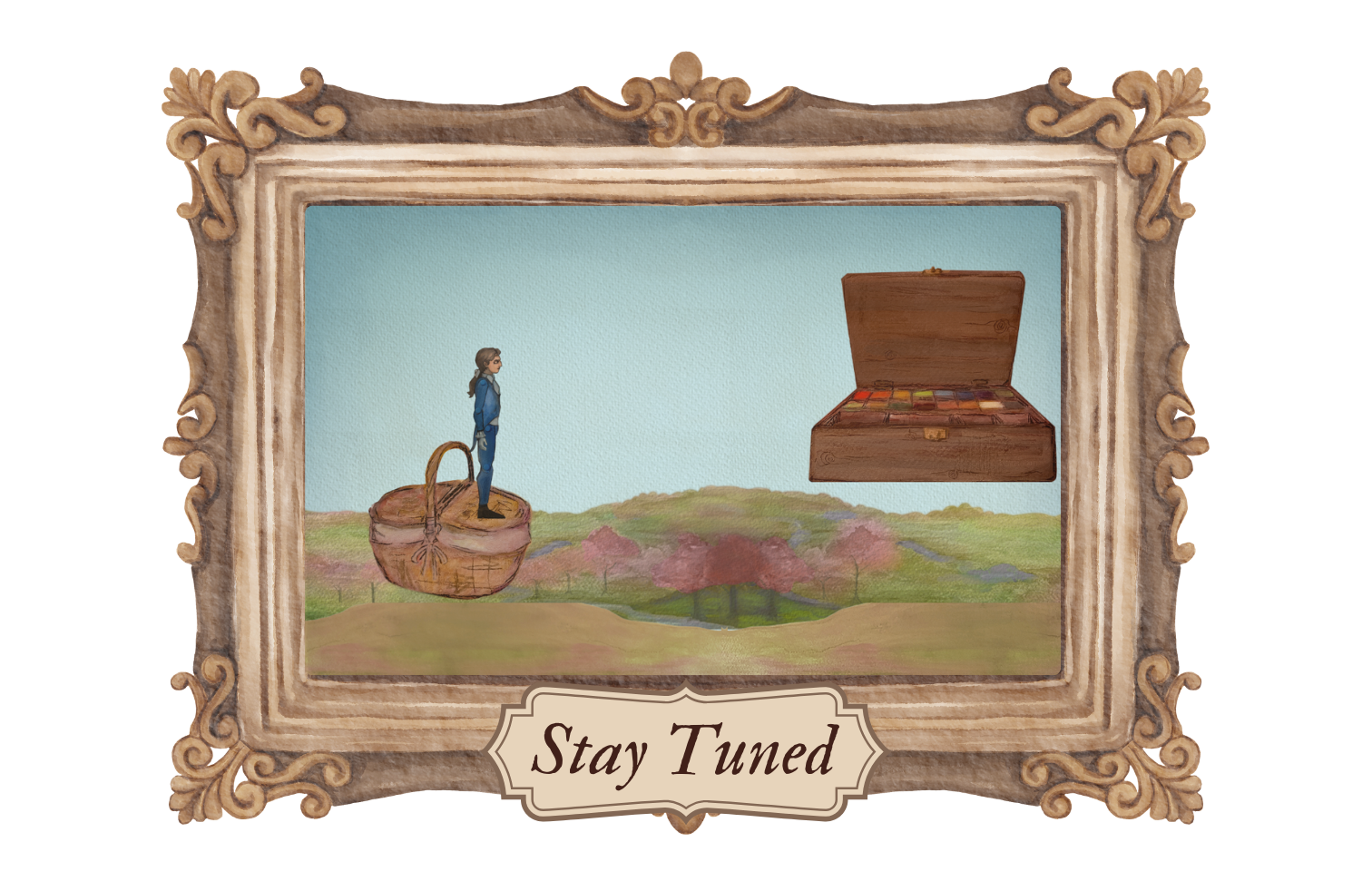
The design process for The Painter's Lament has been an incredibly rewarding and collaborative journey. From the early wireframing stages to the final touches on branding, every decision has been driven by a passion for creating an immersive and accessible experience that reflects the game’s rich Victorian Gothic aesthetic. Ensuring usability and inclusivity has been at the forefront of each design choice. With the game slated for release in December 2025, I’m excited to continue contributing to the team, helping refine and polish the final product to deliver a truly captivating experience for players. Stay tuned for more updates✨

Illustration from The Painter's Lament

Credits

Lindsey Yucha

Producer, 3D Space Gameplay Designer, Narrative Designer, Programmer

Adam Elfawal

Lead 2D Space Gameplay Designer, Level Designer, Programmer

Mikayla Slavin

UX/UI Designer, Visual Designer

Sally Hathaway

Enemy Designer, 3D Modeler

Kristina Malkowski

Art Director, 2D Artist/Animator, 3D Modeler

Zoie Tsoi

Lead 2D Enemy Artist/Animator

Lula Karakitsos

3D Modeler

Kenzie Hopson

3D Modeler

Cormac Roth

Programmer, Audio Composer

Keith Lerner

Programmer

Cat Start

Programmer

Alexis Bliesener

Programmer

Ileana Kueber

Programmer, Design Consultant

Kayla Yucha

Social Media, Marketing

Dante Samarco

Animator

Bridget Haughey

UI/Placeholder Art